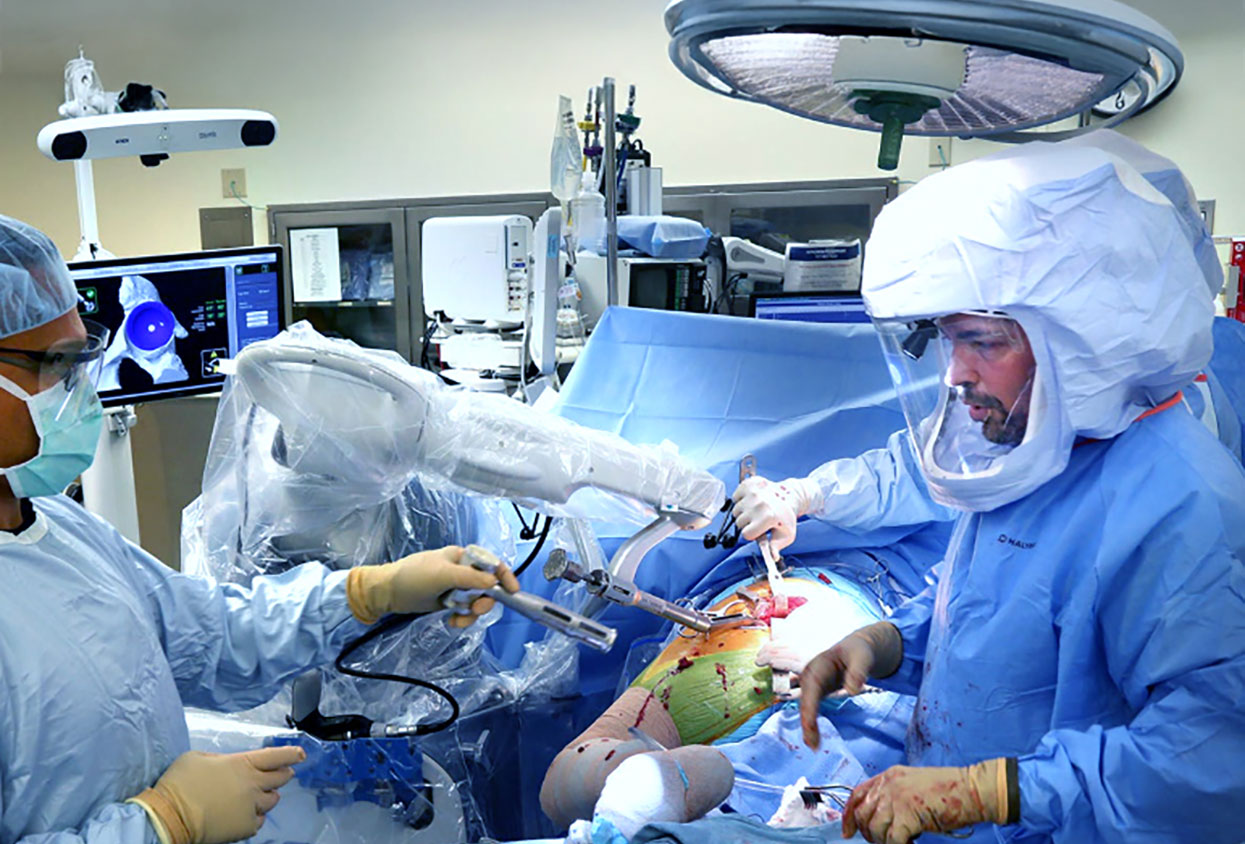
Modern healthcare systems are under constant pressure to deliver better outcomes while controlling costs and improving operational efficiency. Surgical environments, in particular, have become increasingly complex, with rising expectations around precision, speed, and patient safety. Hospitals and surgical centers are no longer just evaluating clinical performance. They are also assessing how workflows, supply chains, and instrument management impact the overall quality of care.
Traditional models that rely on reusable instruments and fragmented processes are showing their limitations. Delays in sterilization, inconsistencies in instrument availability, and unpredictable costs can disrupt even the most well-coordinated surgical teams. As these challenges grow, healthcare organizations are actively seeking more streamlined and reliable solutions.
This is where the transition from Surgery-Ready™ Instruments to complete Surgery-Ready™ procedure kits becomes not just beneficial, but essential. This blog provides a structured migration playbook to help organizations move toward integrated, efficient, and patient-centered surgical workflows.
The surgical landscape has evolved significantly over the past decade. Procedures are becoming more specialized, patient expectations are higher, and regulatory requirements are more stringent. These changes demand a level of consistency and precision that traditional systems often struggle to provide.
ECA Medical’s Surgery-Ready™ Instruments have emerged as a response to these demands. They are designed to eliminate variability by ensuring that each instrument arrives sterile, calibrated, and ready for immediate use. This reduces preparation time and minimizes the risk of errors.
At the same time, there is a growing shift toward ECA Medical’s Surgery-Ready procedure-based solutions. Instead of managing individual instruments, healthcare providers are adopting complete kits tailored to specific procedures. These kits bring together all necessary components into a single, organized package, simplifying workflows and enhancing efficiency.
Single-use solutions play a critical role in this transformation. They not only reduce the burden of sterilization but also improve consistency and reliability across procedures. As a result, healthcare organizations are better equipped to meet the demands of modern surgical care.
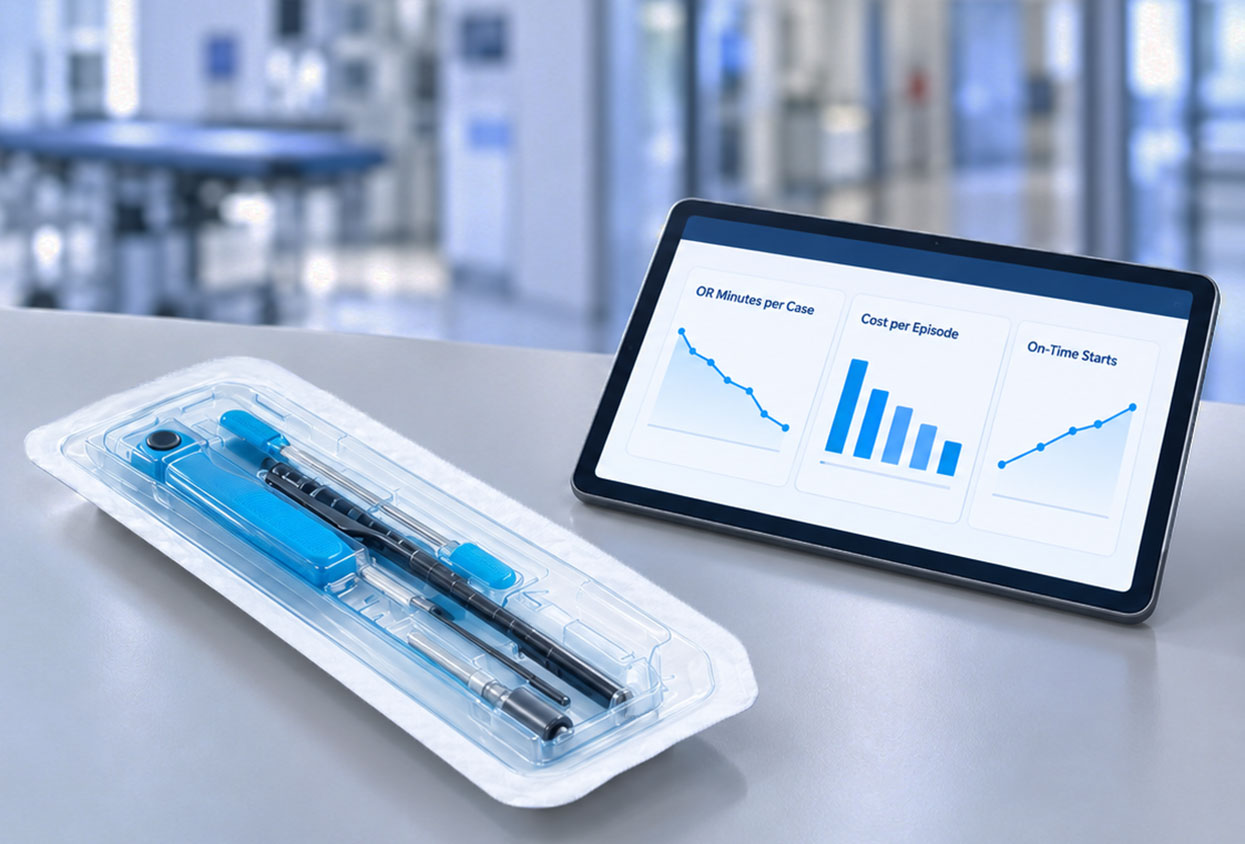
Surgery-Ready™ Instruments are sterile, single-use tools delivered in a state ready for immediate surgical use. They are manufactured to precise specifications and undergo rigorous quality control to ensure reliability and performance. By eliminating the need for reprocessing, these instruments help reduce delays and improve operational efficiency.
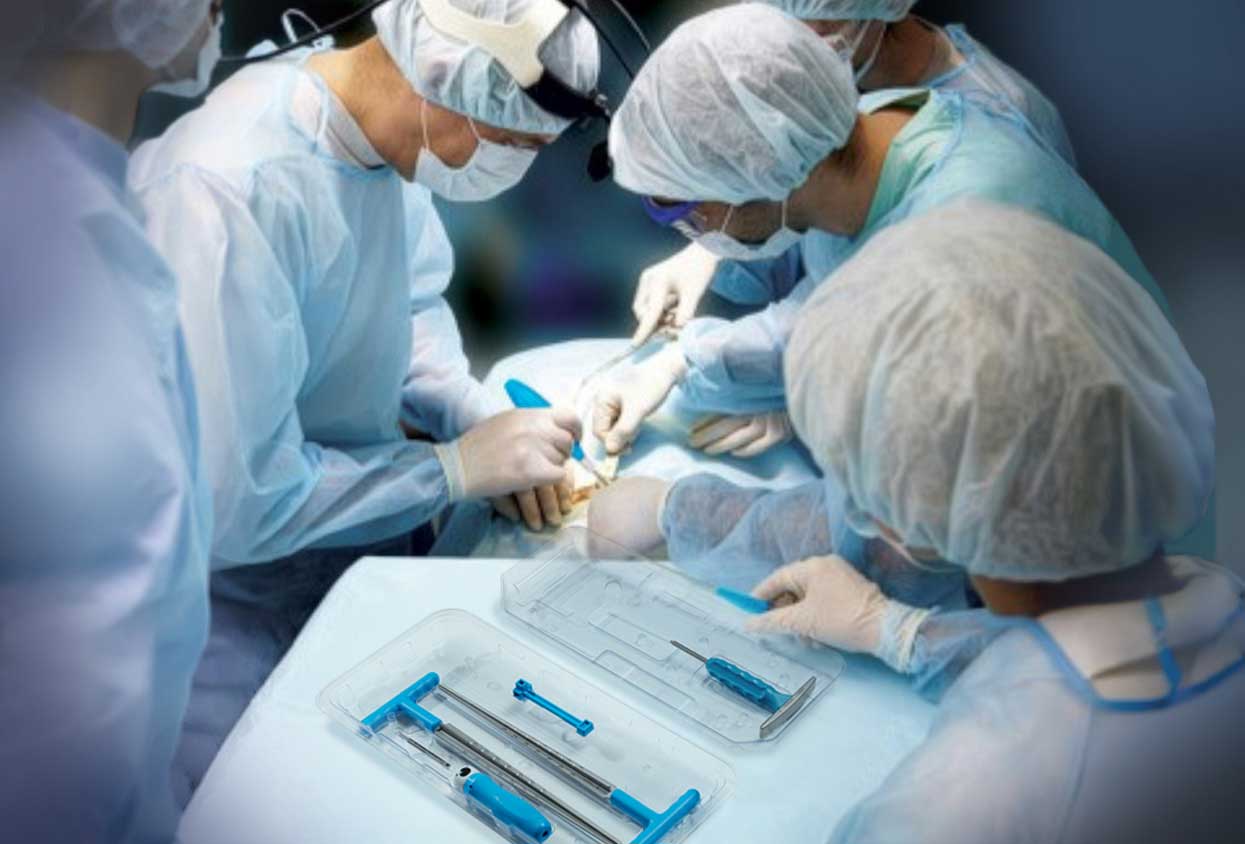
And Surgery-Ready™ complete procedure kits take this concept a step further. A procedure kit includes all the instruments and components required for a specific surgery, packaged together in a single unit. This may include cutting tools, fixation devices, and other essential items tailored to the procedure.
The key difference between standalone instruments and bundled kits lies in how they integrate. While individual instruments address specific needs, procedure kits provide a comprehensive solution that aligns with the entire surgical proceedure. This integration reduces the risk of missing components and ensures that surgical teams have everything they need at the right time. Now!
The combination of Surgery-Ready™ Instruments and procedure kits creates a more streamlined and predictable surgical environment. It allows healthcare providers to focus on patient care rather than logistical challenges.
One of the primary drivers behind this transition is the inefficiency associated with reusable instruments. These instruments require extensive cleaning, sterilization, and maintenance, all of which consume time and resources. Delays in reprocessing can lead to scheduling conflicts and reduced operating room utilization.
Surgery-Ready™ Instruments eliminate these challenges by arriving sterile and ready for use. This not only saves time but also reduces the risk of contamination and infection. In a healthcare environment where patient safety is paramount, this is a significant advantage.
Cost predictability is another important factor. Reusable instruments often involve hidden costs related to maintenance, repair, and sterilization. In contrast, single-use solutions offer a more transparent and predictable cost structure. Procedure kits further enhance this by consolidating multiple components into a single purchase.
Additionally, using complete kits helps reduce waste and improve inventory management. By standardizing the contents of each kit, healthcare organizations can minimize excess stock and avoid unnecessary expenditures.
The result is a more efficient, cost-effective, and patient-focused approach to surgical care.
Before transitioning to a new system, healthcare organizations need to evaluate their current workflows. This involves identifying bottlenecks, inefficiencies, and areas for improvement.
Surgery-Ready™ Instruments can address many of these challenges, but successful implementation requires a clear understanding of existing processes. This includes analyzing instrument usage, turnaround times, and sterilization workflows.
Stakeholder engagement is also critical. Surgeons, nurses, procurement teams, and administrators all have unique perspectives and requirements. Understanding their needs and expectations is key to designing a solution that works for everyone.
Organizations should also assess their readiness in terms of infrastructure and resources. This includes evaluating storage capacity, distribution systems, and staff training requirements. A thorough assessment ensures that the transition is smooth and effective.
A successful migration requires careful planning and coordination. Healthcare organizations must align clinical, operational, and procurement teams to ensure a unified approach.
Surgery-Ready™ Instruments should be integrated into a broader strategy that includes clear goals and measurable outcomes. These goals may include reducing turnaround times, improving surgical efficiency, and enhancing patient safety.
A phased implementation approach is often the most effective. This allows organizations to test the new system on a smaller scale before expanding it across departments. Pilot programs provide valuable insights and help identify potential challenges early on.
Communication is another critical component. Keeping all stakeholders informed and engaged throughout the process helps build trust and ensures a smoother transition.
The design of procedure kits plays a crucial role in their success. Kits must be tailored to the specific requirements of each surgical procedure, ensuring that all necessary components are included.
Surgery-Ready™ Instruments serve as the foundation of these kits, providing reliable and consistent tools for surgical teams. The selection of components should be based on clinical needs, surgeon preferences, and best practices.
Balancing efficiency and cost-effectiveness is also important. While it is essential to include all necessary items, unnecessary components should be avoided to minimize waste and control costs.
Regulatory compliance and quality standards must be maintained throughout the design process. This ensures that the kits meet all requirements and deliver consistent performance. And using ECA Medical as your one supplier for comprehensive solutions gets your products to market faster with minimized resource load and complexity.
One of the key benefits of procedure kits is the simplification of supply chain management. By consolidating multiple components into a single package, healthcare organizations can reduce complexity and improve efficiency.
Surgery-Ready™ Instruments contribute to this by eliminating the need for reprocessing and reducing the number of steps involved in instrument management. This streamlines workflows and frees up valuable resources.
Inventory management becomes more straightforward with bundled kits. Instead of tracking individual items, organizations can manage a smaller number of standardized units. This reduces the risk of stockouts and overstocking.
Efficient distribution and fulfillment are also critical. Ensuring that kits are delivered on time and in the right quantities helps maintain smooth surgical operations and prevents delays.
The transition to procedure kits should begin with a pilot program. This allows organizations to test the new system in a controlled environment and gather feedback from surgical teams.
Surgery-Ready™ Instruments play a key role in this phase by delivering consistent, reliable performance. Feedback from surgeons and staff can be used to refine kit design and improve workflows.
Once the pilot program is successful, the next step is to scale the solution across departments and facilities. This requires careful planning and coordination to ensure consistency and efficiency.
Training and onboarding are essential components of this process. Staff must be familiar with the new system and understand how to use it effectively. Ongoing support and communication help ensure a smooth transition.
To evaluate the success of the migration, healthcare organizations must track key performance metrics. These may include turnaround times, instrument utilization, and surgical outcomes.
ECA Medical’s Surgery-Ready™ Instruments and procedure kits provide a consistent baseline for measurement, making it easier to identify improvements and areas for further optimization. Data-driven insights help organizations make informed decisions and refine their processes.
Continuous improvement is an ongoing process. Feedback from surgical teams should be regularly collected and used to enhance kit design and workflows. This ensures that the system remains effective and aligned with evolving needs.
Transitioning to a new system is not without its challenges. Resistance to change is a common issue, particularly among staff who are accustomed to traditional workflows.
Surgery-Ready™ Instruments can help address these concerns by demonstrating clear benefits in terms of efficiency, safety, and reliability. Providing training and support helps build confidence and encourages adoption.
Cost concerns may also arise. While the initial investment may be higher, the long-term benefits often outweigh the costs. Demonstrating return on investment through data and case studies can help address these concerns.
Effective communication and stakeholder engagement are key to overcoming these challenges and ensuring a successful transition.
Working with experienced solution providers is essential for a successful migration. These partners bring expertise, innovation, and advanced manufacturing capabilities.
Surgery-Ready™ Instruments developed by ECA Medical are designed to meet the highest standards of quality and performance. Partnering with a trusted provider ensures that healthcare organizations have access to reliable and effective solutions.
From initial design to final delivery, experienced partners can support every stage of the process. This includes customization, regulatory compliance, and supply chain management.
Collaboration with experts helps ensure a seamless transition and maximizes the benefits of procedure-based solutions.
The transition from standalone instruments to complete procedure kits represents a significant step forward in surgical efficiency and patient care. By adopting Surgery-Ready™ Instruments and ECA Medical’s integrated solutions, healthcare organizations can streamline workflows, reduce costs, and improve clinical outcomes.
This migration requires careful planning, collaboration, and continuous improvement. However, the long-term benefits make it a worthwhile investment for any organization seeking to enhance its surgical capabilities.
ECA Medical stands at the forefront of this transformation, offering precision-engineered, surgery-ready solutions designed for performance and reliability. Discover how ECA Medical can simplify your surgical workflow and support your journey toward a more efficient and patient-focused future.