Fixation is often spoken about as a single step in a surgical procedure, but in reality, it is a moment where physics, biology, and human judgment intersect. The turn of a driver may last only seconds, yet it determines how forces will be distributed for weeks, months, or years. At that moment, torque is not simply applied. It is translated into stability, compression, and long-term structural trust.
As surgical systems evolve, inconsistency is rightfully less tolerated. We now operate in environments where precision is expected to be repeatable, not aspirational. Technique alone, no matter how refined, cannot fully account for variation in hand strength, fatigue, resistance, or anatomy. This is where TruTORQ® torque limiters shine. Not as optional tools, but as mechanical governors that ensure intent is carried through consistently.
In this article, we explore in depth what role TruTORQ® torque limiters play in achieving accurate and reliable fixation. We examine how controlled torque influences mechanical integrity, biological response, workflow stability, and clinical confidence. Throughout, we return to the surgeon, because fixation is not brute force. It is a controlled expression.
Torque accuracy defines whether fixation succeeds quietly or fails gradually. Applied torque determines how threads engage bone, how compression is achieved across interfaces, and how stress is distributed through implants. When torque deviates from specification, the system behaves differently than intended.
Under-torque can leave fixation vulnerable to micromotion. Screws may loosen incrementally. Compression may be incomplete. Load transfer becomes uneven, placing stress where it does not belong. Over time, this instability can delay healing or compromise outcomes.
Over-torque introduces different risks. Excessive force can strip threads, fracture bone, deform implants, or compromise locking mechanisms. These failures often occur silently during fixation and only reveal themselves later as pain, instability, or fixation failure.
Even when the surgical technique is flawless, inaccurate torque can undermine results. This reality is what elevates TruTORQ® torque limiters from convenience to necessity. They exist to ensure that torque application is precise, repeatable, and independent of human variability. The focus of this discussion is not speed or ease, but mechanical fidelity and clinical consistency.
Fixation in orthopedic and spinal procedures is the act of stabilizing anatomy using mechanical constructs. These constructs are designed to behave predictably when assembled within defined parameters. Torque is the force that activates this design.
When torque is applied correctly, threads engage bone optimally. Compression is generated without crushing. Implant seat as intended. The construct behaves as engineered. When torque varies, the construct departs from its design assumptions.
Manual torque application relies heavily on tactile feedback. Surgeons develop feelings over years of experience, yet their feel it is inherently subjective. Resistance differs between patients, between anatomical sites, and even between moments within the same procedure. Fatigue alters perception. Stress compresses judgment.
Torque limiters address this variability by translating specifications into mechanical certainty. They ensure that fixation outcomes depend on device design rather than momentary conditions. For the surgical artist, torque control preserves the integrity of intent.
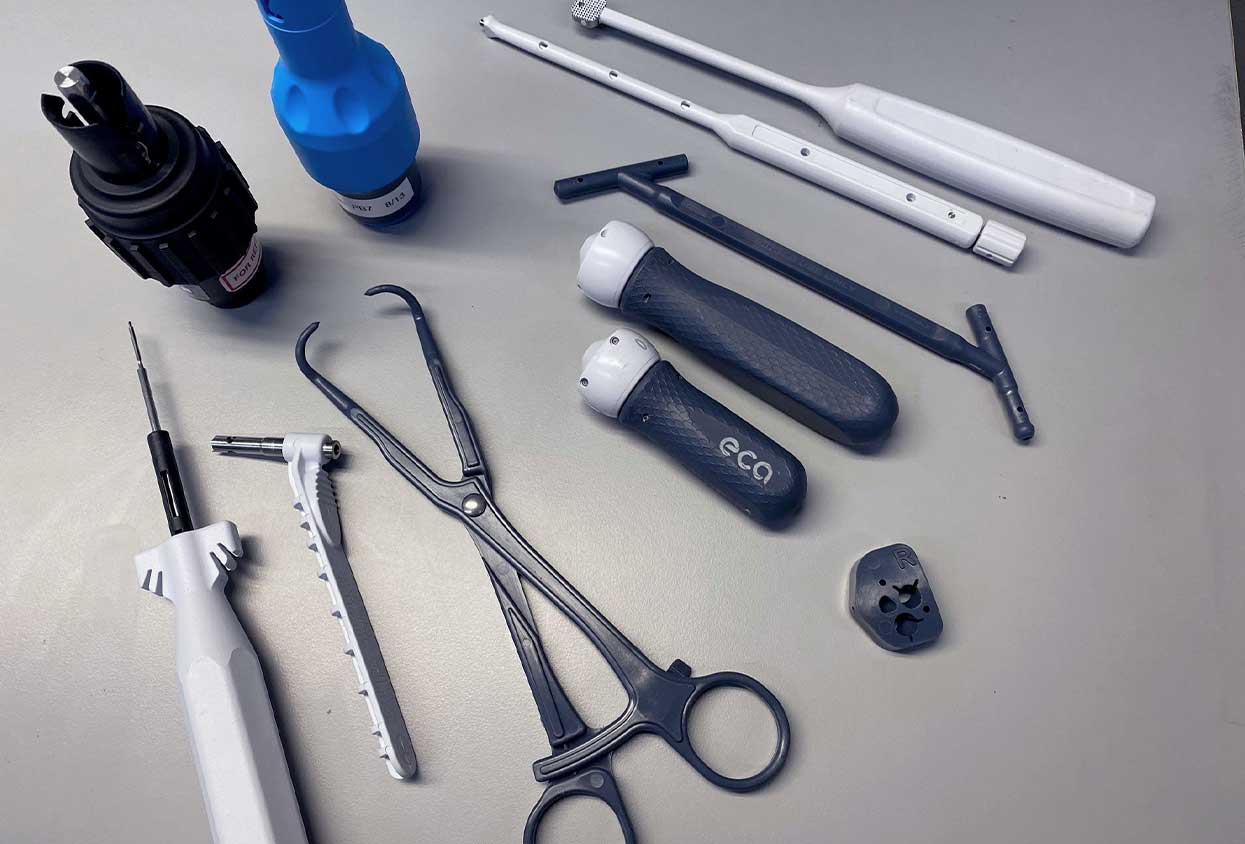
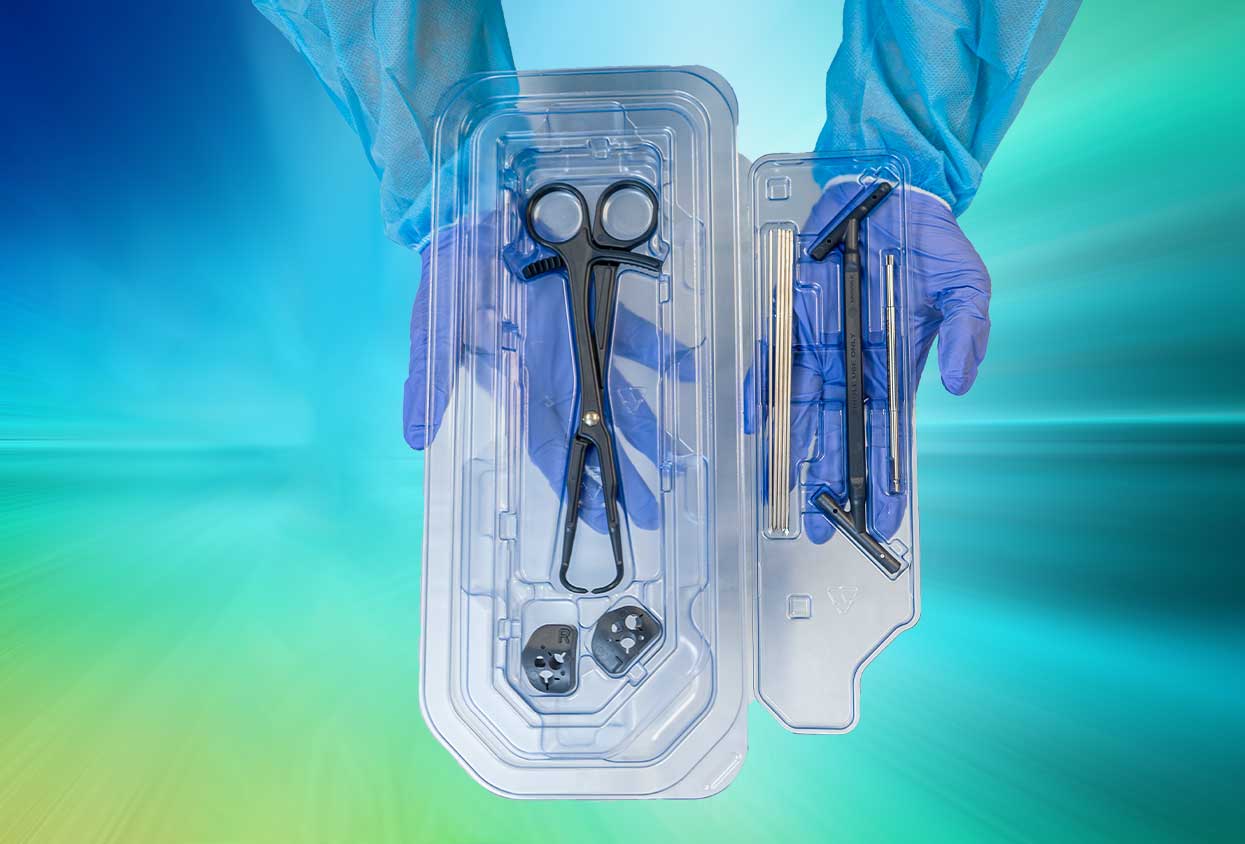
TruTORQ® torque limiters are precision-engineered devices developed by ECA Medical to regulate applied torque during fixation and fastening procedures. Their core purpose is control. They do not enhance strength or speed. They enforce limits.
Preset torque thresholds are engineered into each device. These thresholds are selected based on procedural requirements, implant design, and anatomical considerations. Once the target torque is reached, the limiter mechanically disengages.
This disengagement is not symbolic. It is physical. The mechanism prevents additional torque from being applied beyond the defined limit. At the same time, it confirms that the minimum required torque has been achieved.
This design ensures consistent torque delivery regardless of operator strength, hand fatigue, or technique. Whether fixation occurs early in the day or late, under calm conditions or time pressure, the outcome remains the same.
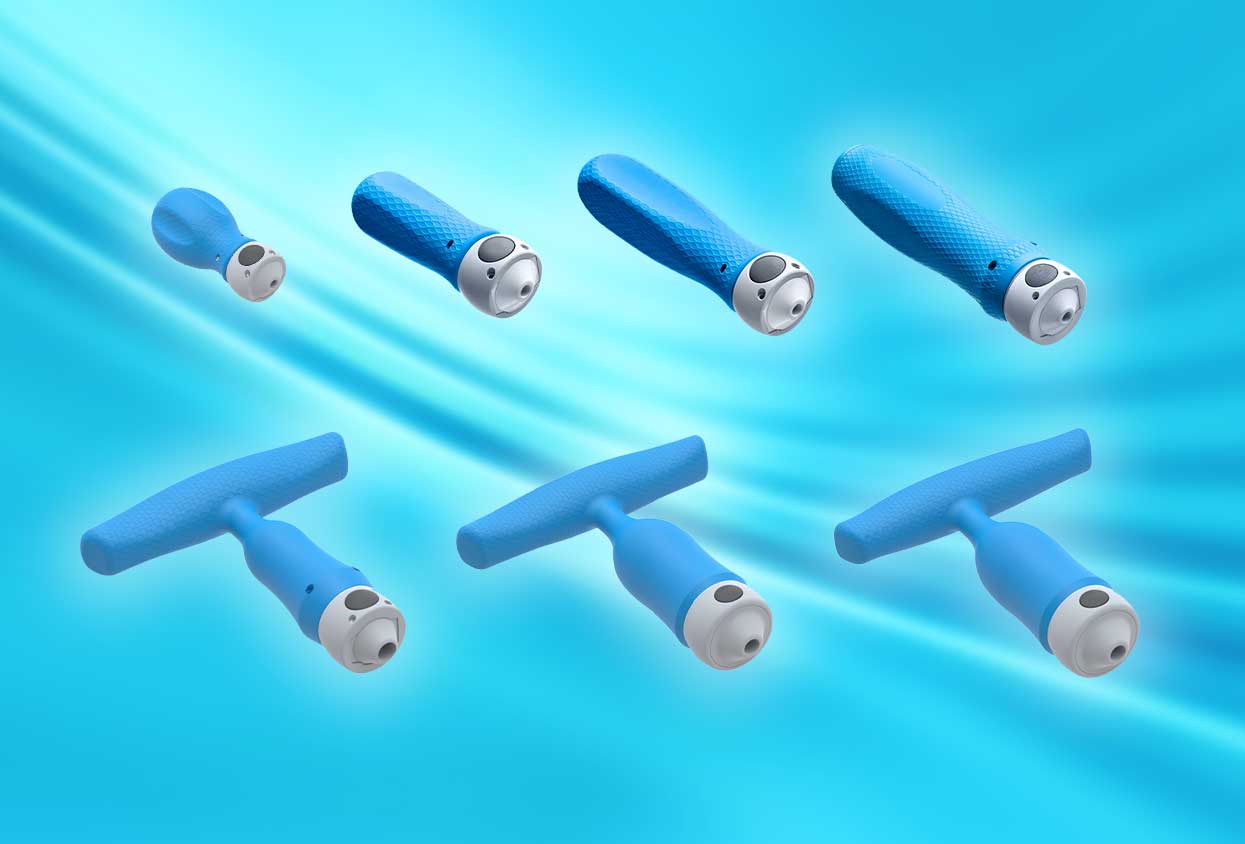
Multiple configurations support different applications, allowing torque control to be tailored without sacrificing consistency. This design philosophy is grounded in decades of engineering experience and validated through the distribution of more than 53,000,000 single-use torque limiters worldwide over a period of 46 years, reinforcing reliability at scale.
Manual fixation introduces variability through factors that cannot be fully controlled. Experience shapes judgment, but it does not standardize force. Two skilled surgeons can apply different torques to the same implant under identical conditions.
Hand strength varies between individuals and fluctuates throughout the day. Fatigue alters perception of resistance. Anxiety or urgency can compress decision-making. Bone density varies unpredictably.
TruTORQ® torque limiters eliminate this variability by standardizing torque delivery. The device becomes the arbiter of completion. Once disengagement occurs, fixation is complete.
This standardization improves reproducibility across cases, teams, and facilities. Fixation becomes consistent rather than interpretive. Surgical confidence increases because mechanical outcomes are predictable. For the surgical artist, this consistency removes distraction. The hand no longer negotiates force. It executes intent.
Over-tightening is one of the most common sources of fixation-related complications. Excess torque can strip threads in bone, deform implants, fracture cortical structures, or compromise locking interfaces.
Torque limiters act as mechanical safeguards against these outcomes. TruTORQ® torque limiters disengage precisely at the defined threshold, preventing excess force from being applied even unintentionally.
This safeguard protects implant integrity and preserves anatomical structures. It ensures that fixation strength comes from design, not excess force. Preventing damage at the moment of fixation reduces the risk of revision, hardware failure, and patient recidivism. The surgeon relies on this protection to ensure that precision is precise.
While over-tightening receives attention, insufficient torque presents equally serious risks. Loose fixation allows micromotion, compromises load sharing, and undermines stability. TruTORQ® torque limiters ensure that minimum torque thresholds are consistently met. They do not merely cap force. They define completion.
Consistent compression allows implants to function as designed. Loads are distributed evenly. Healing environments remain stable. Accurate torque delivery supports fixation longevity by preserving construct integrity from the outset.
Certain procedures demand exceptionally tight torque tolerances. Small screws. Delicate anatomy. Limited margins for error. In these settings, tactile judgment alone is insufficient.
Torque limiters become essential. TruTORQ® torque limiters translate narrow specifications into reliable outcomes. The device enforces precision without requiring constant recalibration by the surgeon. This reduction in guesswork allows attention to remain on alignment, placement, and technique. Procedural flow improves because uncertainty recedes. For the surgical artist, precision in tools preserves precision in thought.
Uncertainty slows procedures. When torque feels ambiguous, surgeons pause. They reassess. They adjust. Each pause disrupts the flow. Torque limiters reduce these interruptions by delivering predictable results. Once disengagement occurs, the step is complete. There is no need for repeated checks or compensatory adjustments.
Predictable torque application streamlines fixation steps and maintains momentum. Efficiency emerges not from speed, but from certainty. The operating procedure goes smoother.
As healthcare systems expand, variability increases. Different teams. Different training backgrounds. Different environments. Standardized torque delivery supports alignment across these variables. TruTORQ® torque limiters ensure that fixation behaves consistently across sites and users.
Training becomes simpler. Onboarding accelerates. Quality assurance improves because outcomes depend less on individual interpretation. Torque standardization supports scalable surgical operations without sacrificing control.
Modern surgical quality frameworks emphasize repeatability, risk reduction, and measurable outcomes. Torque control supports these goals by eliminating preventable mechanical variability.
Predictable fixation aligns with patient safety initiatives focused on consistency and reliability. Mechanical complications decline when torque is controlled.
Quality improvements become observable and defensible. The system performs as designed. For the surgeon quality is not theoretical. It is felt in the resistance of a screw and the silence after disengagement.
Adoption is driven by accumulation. Each benefit reinforces the next. Precision improves. Variability declines. Safety strengthens. Confidence grows. Expectations in modern operating rooms continue to rise. Torque control is no longer optional. It is foundational infrastructure.
Accurate fixation depends on system design, not individual variability. TruTORQ® torque limiters embody this shift by turning specification into certainty.
TruTORQ® torque limiters play a defining role in achieving accurate and reliable fixation by governing one of surgery’s most variable forces. They support consistency, safety, and precision without increasing procedural complexity.
Controlled torque protects implants, preserves anatomy, and stabilizes outcomes. It allows fixation to behave as designed, every time. For the surgical artist, torque control restores trust at the moment where force meets structure.
As an international authority in torque-limiting instrumentation and surgery-ready solutions, ECA Medical Instruments creates fixation systems built on reliability rather than assumption. When torque is controlled, confidence follows: one measured turn, one disengagement, one patient at a time.