In every operating room, preparation begins long before the first incision. Surgical setup is fast-paced, detail-driven, and quietly high-stakes. Teams move with practiced efficiency, yet even experienced staff know how easily small omissions can ripple into delays, interruptions, or last-minute adjustments that disrupt workflow consistency. A missing accessory discovered during draping or an incorrectly staged instrument rarely reflects carelessness. More often, it reveals how complex modern surgical preparation has become.
Healthcare environments today operate under constant pressure to balance patient safety, staff efficiency, and predictable turnover times. Supply variability, evolving preference cards, staffing shortages, and multi-room coordination create conditions where perfection must happen repeatedly under time constraints. In this reality, consistency matters as much as skill.
This article offers a practical examination of how Single-Use Procedure Kits help reduce workflow friction and minimize surgical setup errors without overstating their role. Rather than replacing clinical expertise, surgery-ready sterile kit systems support teams by simplifying preparation, improving predictability, and allowing attention to remain where it belongs: on patient care and procedural precision.
Operating room professionals are among the most highly trained teams in healthcare. Yet setup challenges persist because errors typically originate from systems, not individuals.
Modern surgical environments demand speed alongside flawless execution. Staff often manage interruptions, room turnovers, preference updates, and coordination between sterile processing departments and materials management simultaneously. Even minor workflow disruptions introduce opportunities for inconsistency.
When preparation depends on assembling instruments from multiple trays, bins, or storage locations, variability increases. Experienced teams compensate through memory and vigilance, but human attention has limits. Single-Use Procedure Kits address this reality by reducing dependency on recall and manual gathering.
Framing setup mistakes as system issues is essential for improvement. When workflows rely on multiple handoffs, induvial instrument inventory, or outdated documentation, predictable failure points emerge. Single-Use Procedure Kits remove many variability before they reaches the sterile field.
Small setup inconsistencies often carry disproportionate operational impact in hospitals and ambulatory surgery centers alike.
Missing components discovered at draping remain one of the most disruptive scenarios. Staff must pause workflow, locate replacements, or open additional items while maintaining sterility. Similarly, visually similar packaging or naming conventions can lead to the wrong size or variant being opened unintentionally.
Incomplete sterilization readiness introduces another layer of risk. Incorrect trays, missing indicators, or unavailable accessories frequently result from fragmented preparation processes rather than individual oversight. Preference card drift compounds these challenges when documentation evolves faster than supply availability.
Then staff leave the room, request urgent supply runs, or open backup items "just in case." Each additional step increases cognitive load, reduces procedural flow and adds cost. By consolidating required components into curated systems, Single-Use Procedure Kits help reduce these recurring interruptions.
Setup errors rarely affect only schedule timing. Turnover compression places additional strain on staff, contributing to fatigue across shifts. Documentation becomes more complex when substitutions occur, and variability between operating rooms or facilities increases.
Predictable preparation supports calmer execution and improves consistency across teams and sites.
Workflow improvements often become most visible when comparing traditional preparation with surgery-ready approaches.
Traditional setup frequently resembles a coordinated search process. Instruments and accessories are gathered from multiple locations, verified individually, and staged manually. Each selection introduces decision points.
Opening a procedure-aligned Single-Use sterile pack shifts preparation into a defined sequence. Teams move from collecting components to executing preparation steps. Single-Use Procedure Kits reduce unnecessary decisions, touches, and movement, allowing staff to focus on readiness rather than retrieval.
Standardization supports safety by lowering cognitive demand. Consistent kits assist with counts and verification processes. Importantly, standardized kits complement existing safety checks rather than replacing them.
Clinical judgment remains central. The advantage lies in beginning each case from a reliable baseline.
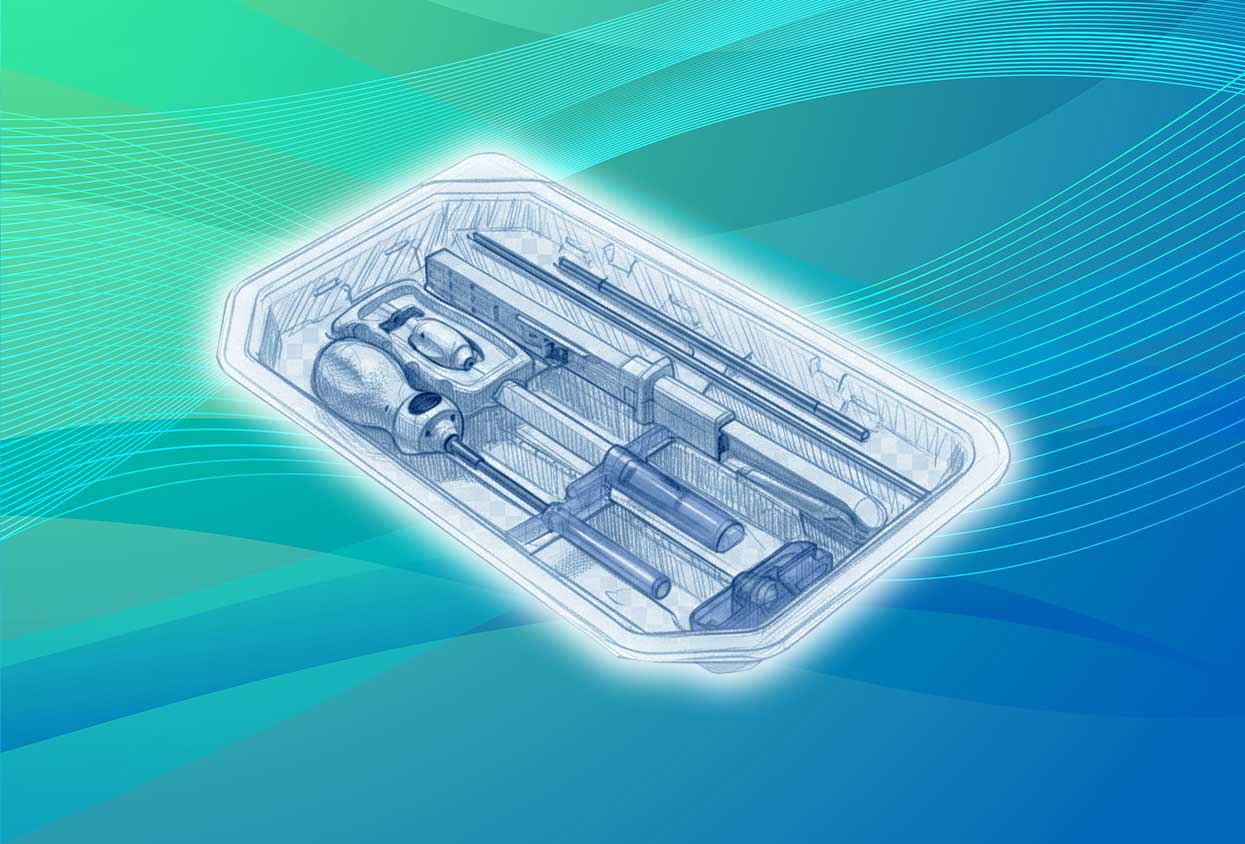
Visual organization plays an understated but powerful role in sterile environments. Clean layouts, intuitive arrangement, and readable labeling promote calm execution. When instruments appear exactly where expected, interruptions decrease, and preparation flows naturally.
Thoughtfully designed Single-Use Procedure Kits translate visual order into operational confidence.
Effective kit systems are built around procedural alignment staged in convenient packaging.
A strong configuration reflects how procedures actually unfold. Generic packs often include unnecessary items while omitting critical accessories. Procedure-specific curation ensures that contents match real workflow needs.
Successful configurations depend on clinical input, structured approvals, and version control to maintain accuracy over time. Single-Use Procedure Kits function best when developed collaboratively with surgical teams and operational stakeholders.
Packaging design influences behavior. Logical peel-open sequencing and clear identification help staff access items in the intended order. The concept is simple: the right item becomes available at the right moment without searching or guesswork.
Reducing premature openings also limits unnecessary waste and preserves sterile integrity.
Traceability becomes easier when components originate from a unified system. Lot tracking, labeling consistency, and documentation alignment simplify compliance requirements and audit readiness.
Instead of tracing multiple items across different suppliers, Single-Use Procedure Kits consolidate tracking into streamlined documentation pathways.
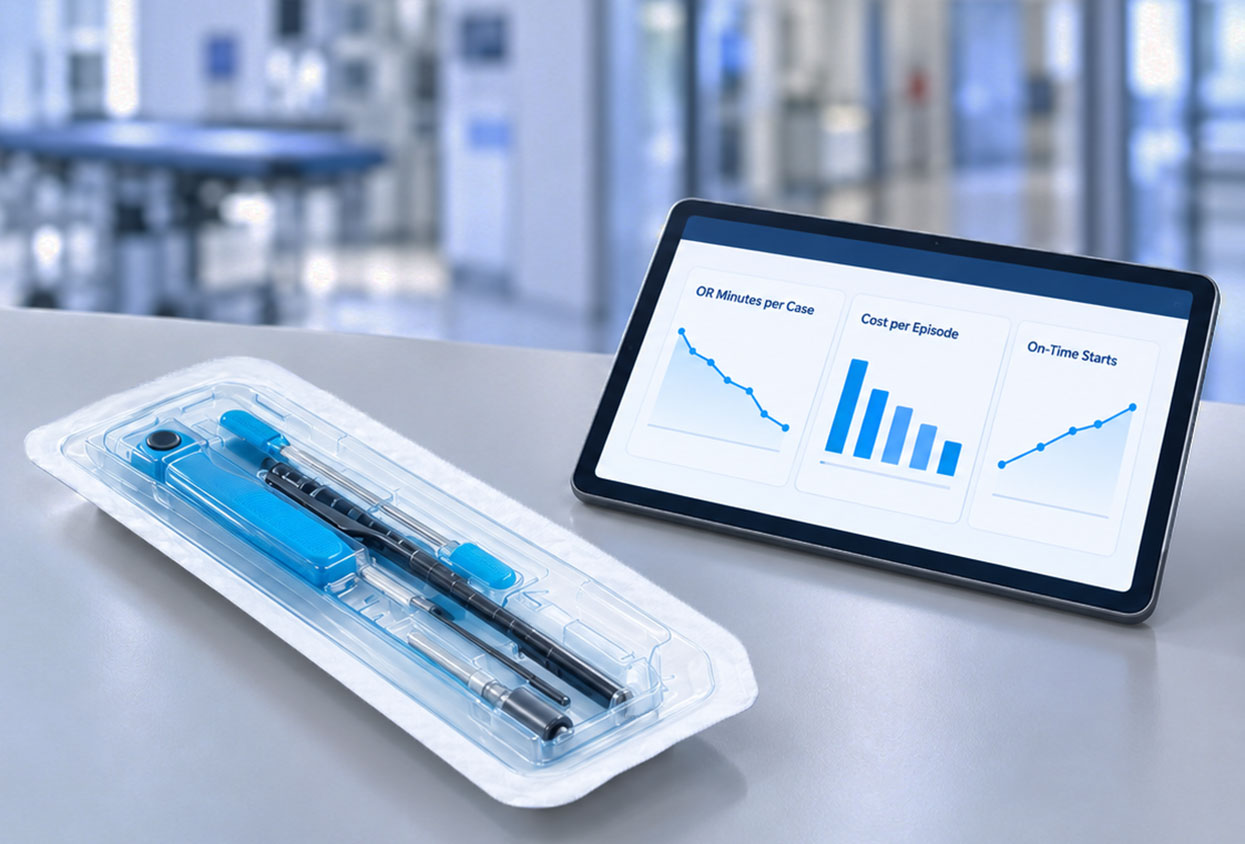
Time recovery typically occurs during staging, searching, opening, and rework prevention rather than during the procedure itself. Reduced preparation variability supports smoother turnovers and more predictable scheduling outcomes.
Adoption success depends on workflow alignment, staff familiarity, and case mix considerations. When implemented thoughtfully, Single-Use Procedure Kits contribute to steady operational improvements.
Every additional handling step introduces an opportunity for error. Reducing picks and openings lowers failure points. Simplified workflows help teams anticipate preparation rather than react to unexpected gaps.
Consistency builds trust between surgical teams, sterile processing departments, and materials management.
Availability matters more than volume. Reliable kit access reduces last-minute substitutions and improvised solutions. Predictability strengthens handoffs between shifts and across operating rooms.
When supplies consistently match expectations, Single-Use Procedure Kits help reinforce confidence throughout the surgical environment.
Not every environment benefits equally from standardized kits, but many procedural areas see measurable advantages.
High repeatability procedures often gain the most value because workflows remain consistent across cases. Trauma and extremity procedures benefit from rapid readiness and reduced accessory omissions. Sports medicine environments experience smoother staging and improved turnover predictability.
Joint reconstruction procedures often rely on standardized support items, while spine procedures benefit from precision labeling and controlled component organization. Across multi-site health systems, Single-Use Procedure Kits also help reduce site-to-site workflow drift, supporting consistent preparation standards regardless of location.
Complex or highly variable procedures may require phased configuration and careful evaluation before widespread adoption.
Transition success depends less on technology and more on process alignment.
Starting with one procedure family allows teams to define realistic success metrics and refine workflows gradually. Listening to scrub technicians, nurses, sterile processing professionals, and materials managers ensures that real operational insights shape implementation.
Preference cards must align with kit configuration and training practices. When documentation and reality diverge, errors reappear regardless of packaging improvements. Single-Use Procedure Kits perform best when supported by accurate version control and shared understanding.
A respectful feedback loop helps capture what was unused, what was missing, and what caused delays. Continuous improvement should remain practical and non-punitive.
Selecting a partner requires both clinical and operational evaluation.
Quality and consistency considerations include:
Clinical fit considerations include:
Operational considerations include:
Well-designed Single-Use Procedure Kits succeed when clinical usability and supply chain performance work together.
Treating implementation as a simple supply swap often recreates existing problems under new packaging. Workflow redesign must accompany adoption.
Excluding scrub teams or sterile processing staff from decision-making risks overlooking practical setup realities. Over-customization early in rollout can also reintroduce complexity. Beginning with standardized configurations allows refinement based on real usage.
Tracking meaningful metrics such as setup rework incidents, turnover friction points, and staff feedback trends helps organizations understand the true impact of Single-Use Procedure Kits over time.
When surgical preparation begin with Single-Use Surgery-Ready™ procedure kits and instruments teams operate with greater calm and control. Reducing unnecessary steps, touches, and surprises transforms the setup from a reactive process into a predictable one. The value lies not only in saved minutes but in improved consistency across people, rooms, and facilities.
Are these kits only useful for large hospitals?
No. Ambulatory surgery centers and smaller facilities often benefit significantly, particularly where staffing resources are lean and efficient turnover is essential.
Do they replace sterilization workflows?
They complement existing sterile processing operations by reducing dependencies and minimizing last-minute preparation gaps rather than eliminating sterilization.
What about sustainability concerns?
Healthcare organizations must balance single-use waste considerations against reductions in rework, unused opened items, and repeated processing cycles. Outcomes vary depending on implementation and usage patterns.
How are mid-case procedure changes handled?
Effective systems plan for common contingencies through clear add-on pathways rather than overcrowded base configurations.
How long does implementation take?
Timelines depend on procedure selection, internal approvals, training requirements, and supply alignment. Phased adoption typically produces smoother transitions.
With over four decades of experience supporting orthopedic innovation, ECA Medical continues to advance surgery-ready solutions that help healthcare teams standardize preparation while maintaining clinical flexibility. Through thoughtfully engineered Single-Use Procedure Kits, organizations can reduce avoidable setup errors and streamline workflow without compromising safety priorities.
Healthcare environments continue to evolve, and ECA Medical is actively developing new kits for additional procedures. If a solution is not yet available, teams can collaborate directly with ECA to design procedure-specific systems tailored to their needs. Explore Surgery Ready solutions from concept through fulfillment and help your team maintain focus where it matters most: one procedure, one patient at a time.