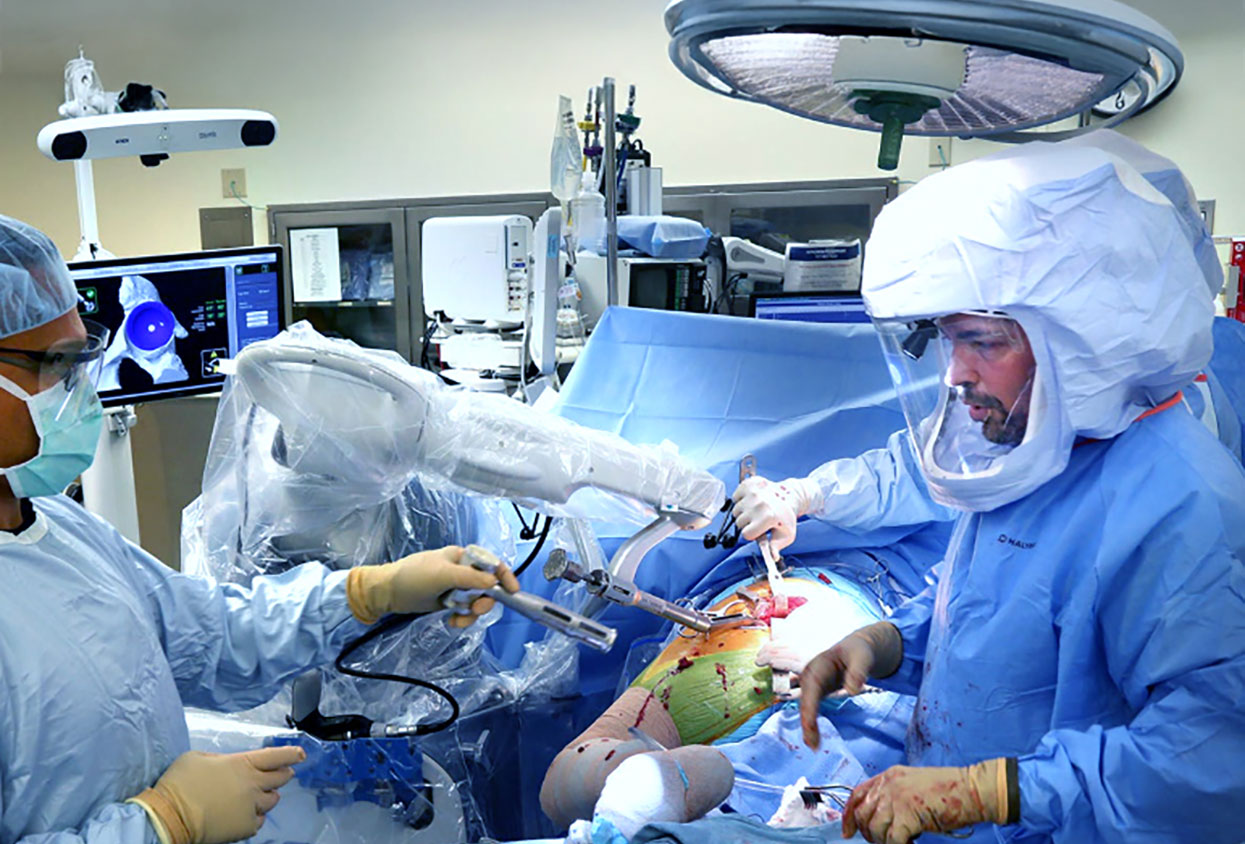
Operating room nurses and surgical technologists stand at the center of surgical performance. And their job gets more and more challenging: caseloads are increasing, turnovers have become increasingly faster, instrument sets are becoming increasingly complex, and staffing shortages plague nearly every location. Meanwhile, the Sterile Processing Department (SPD) is under increased pressure to keep up with higher volumes, a wider variety of procedures, and increased inventories.
Together, these pressures are updating how facilities think about instrument readiness. Conventional reusable trays are heavily dependent upon SPD turnaround times, technician skill, and equipment reliability. When any link in that chain breaks, scrub teams feel the impact immediately: missing instruments, delayed cases, rushed setups heightening both stress and risk.
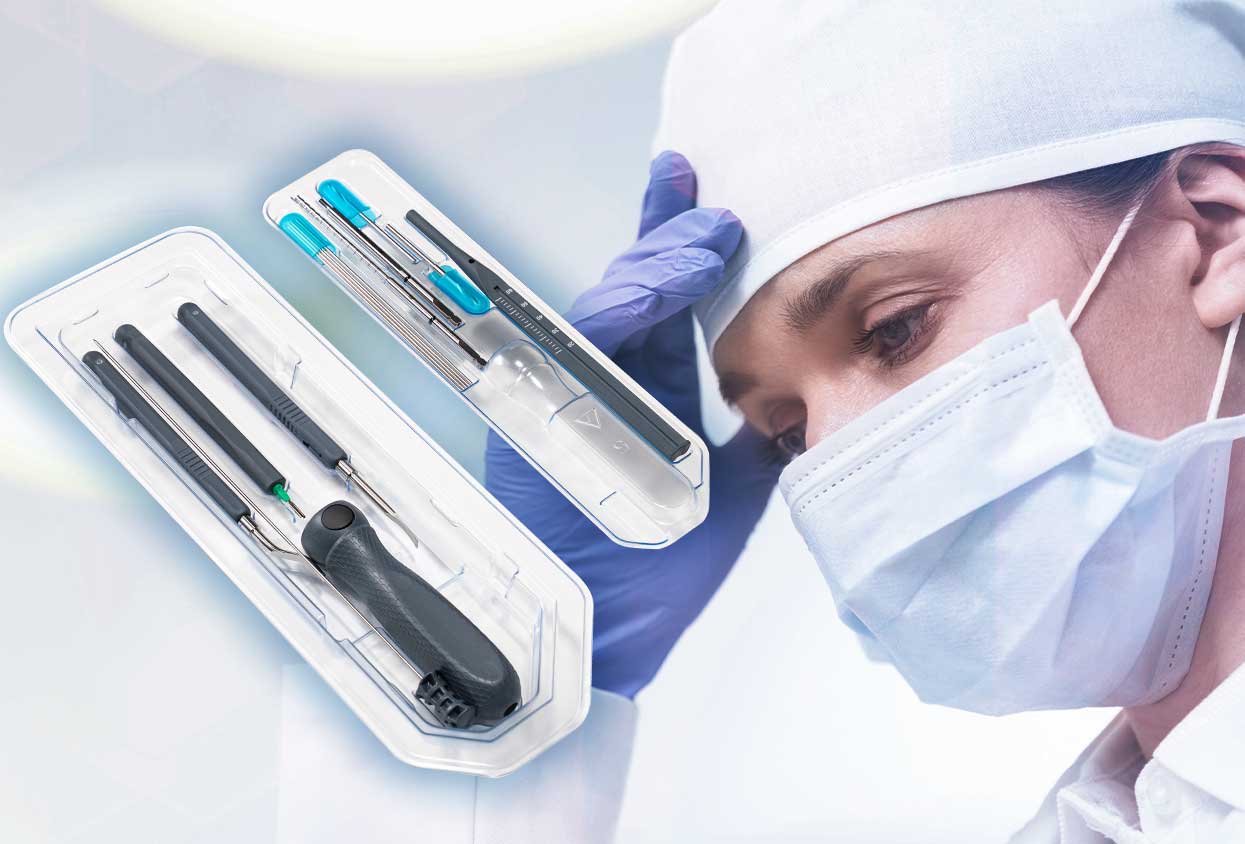
As a result, sterile single-use surgical instruments are being widely and increasingly adopted by hospitals and ambulatory surgery centers as a more predictable, streamlined, and safer alternative. A well-designed single-use surgery-ready™ procedural kit reduces variability, eliminates many sources of error, and helps scrub professionals work faster and more confidently.
This blog considers how these single-use surgery-ready™ kits support scrub nurses and techs through workflow improvements, safety enhancements, risk reduction, and operational consistency-and why the shift matters now more than ever.
Throughout surgical spaces, scrub nurses and techs deal with unprecedented workloads. Larger patient volumes, coupled with condensed OR schedules, require efficiency in every minute. Multi-tray procedures, back-to-back cases, and staffing constraints merely amplify this cadence.
Reusable trays, long thought to be the cornerstone of surgical instrumentation, are increasingly mismatched to the realities of modern surgical operations. Missing instruments, wet loads, instrument consistency and variability in tray assembly all contribute to delays that scrub professionals must somehow absorb.
This creates pressures that make sterile single-use surgical instrument kits an undeniable solution. They arrive ready for immediate use, eliminate dependence on SPD turnaround, and remove many of the variables that consume scrub teams' time and attention.
When instruments consistently arrive sterile, predictable, organized, and complete, scrub professionals can work faster, safer, and with greater focus, translating to improved outcomes for patients and surgeons alike.
Scrub teams are responsible for managing a complex array of tasks that require precision, awareness, and deep clinical understanding. From the time they are assigned the case, they will begin preparing instruments, monitoring sterility, organizing the surgical field, and anticipating the surgeon's needs, always endeavoring to stay several steps ahead.
Reusable instrument systems complicate these responsibilities: multi-layered trays have to be sorted carefully; the overlap of instruments in procedures creates confusion, and variability in tray design demands even more. Even small inconsistencies can interrupt the rhythm that scrub teams rely on to support the surgeon effectively.
Reusable systems bring with them identifiable risks that scrub teams face daily. Problems occurring in the SPD, such as incomplete trays, residual debris, wet loads, or damaged instruments, can arrive at the OR door unannounced. Scrub techs often discover these problems well into setup, when time is an unaffordable commodity for correction.
Manual sorting increases the risk of sharp injuries and contamination. High-pressure turnover times only amplify these risks, leaving scrub teams vulnerable to error even when they work meticulously. Increased handling combined with erratic tray and instrument quality and reduced timelines builds an environment where safety is fragile.
Ambulatory surgery centers and hospitals have different workflow demands, but both experience significant pressures that are exacerbated by reusable instrumentation.
Many ASCs run leaner teams and tighter schedules. One tray issue can throw off an entire day. In hospitals, more complex surgeries rely on the SPD's ability to return trays quickly and accurately. Any delay in return cascades across the schedule, pushing scrub teams into high-stress triage mode.
Both environments benefit from predictable, ready-to-open sterile single-use surgery-ready™ instrument kits that remove bottlenecks before they reach the surgical field.
The setup time is impacted immediately. Single-use kits eliminate sifting through layers of stainless-steel trays, checking for completeness, or correcting assembly errors. Scrub teams can directly move to the orientation of instruments and preparation of the sterile field.
This predictable organization of these kits reduces mental fatigue and cuts several minutes from setup in each case. These minutes add up over a full surgical schedule into meaningful gains in efficiency that scrub teams can directly appreciate.
Scrub teams usually wait for partial sets, late returns, or emergency reprocessing when reusable trays determine instrument availability. The flash sterilization cycles come with risk and stress, particularly when the team must improvise under time pressure.
Single-use systems eliminate these bottlenecks. Scrub teams receive instruments that are always ready, always complete, and always sterile. Keeping cases on schedule becomes far more achievable, allowing the entire OR team to work with a steadier rhythm and fewer surprises.
When the kit is never different, scrub nurses and techs can more assuredly anticipate movements. This helps with consistency when there are rotating surgeons, travelers, or per-diem staff interacting with the team. Standardization enhances collaboration and decreases communication errors.
The fluid exchange during surgery between the scrub tech and surgeon relies on instinctive movement. The more predictable the layout, the quicker and smoother the handoffs are.
Single-use, sterile surgery-ready™ instrument kits reduce the time it takes to retrieve any one instrument by placing them in logical and intuitive sequences. Scrub technicians are no longer peering across layers or managing unexpected variations. These micro-delays shrink, improving flow and tightening procedure times.
Reusable trays involve extensive manual manipulation, lifting layers, sorting instruments, and repositioning sharp items. Each touchpoint introduces risk.
Single-use kits minimize handling because many of the instruments are oriented and separated for the team. Scrub teams can open the kits and position them for minimal contact, reducing exposure to sharp injuries and contamination events. The norm rather than the exception is a one-touch setup.
Sterilization controlled by the factory eliminates the variability inherent in reprocessing. Scrub professionals are protected from issues such as:
The confidence that sterile, single-use surgical instrument kits provide enables scrub teams to concentrate on supporting surgery rather than questioning equipment integrity. Removing the likelihood of instruments being damaged or degraded.
No matter how well cared for, reusable instruments wear out over time. Blunted cutting edges, loose joints, or microscopic imperfections affect performance and translate into stress for scrub teams during procedures.
Single-use instruments and kits ensure each case begins with instruments in optimal condition. There is no uncertainty, no last-minute substitution, and no need to notify the surgeon that something is damaged.
When scrub professionals can be certain that each instrument is sterile, complete, and functioning well, they will be free to devote their attention to higher-level tasks-anticipation, coordination, and situational awareness.
This also has a quantifiable effect on safety: fewer distractions mean fewer errors, which is especially critical in fast-paced environments.
Scrub teams function best when they are one step ahead of the surgical sequence. Predictable layouts permit them to think ahead with regard to the surgeon's needs, reposition early, and handle instruments without delay.
This consistency strengthens the shared rhythm between the scrub team and the surgeon that is so crucial for smooth procedural flow.
Clear layout and minimal variance minimize the need for clarifying questions or mid-case adjustments. Surgeons receive more consistent support. Circulators do not need to scramble for unexpected instrument requests. This improves trust across the team and creates a calmer, more coordinated environment in the OR.
In facilities with rotating staff, locums, or per-diem roles, standardized single-use kits prevent performance dips caused by unfamiliar setups. Training is easier, onboarding is faster, and cross-coverage no longer stands in the way of efficiency.
Ambulatory centers depend on perfectly timed case advancement. A delay in the morning can push the entire day behind schedule.
Single-use kits eliminate the possibility of missing instruments, incomplete trays, or surprise returns from the SPD. For an ASC, that reliability means far smoother patient flow and better throughput.
Many ASCs operate with limited SPD support-or no support at all. Often, nurses and scrub techs take on a multitude of roles, including preparing rooms and assisting intraoperatively.
Sterile single-use surgical instrument kits greatly reduce workload: fewer variables, fewer reprocessing responsibilities mean teams can focus directly on patient care and procedural execution.
There is no longer a need to track tray circulation or repair logs and sterilization cycles. Inventory becomes a simple process of counting kits, supplies, and preparing the rooms well in advance.
Facilities often switch over to sterile single-use surgical instrument kits when obvious operational stressors develop:
These are indications that reusable systems could be acting as a barrier rather than supporting performance. For more details visit https://www.ecamedical.com/procedure-kits
Start by analyzing procedures that consistently produce the highest Sterile Processing Department SPD workload or ongoing tray problems. Pain management, orthopedics, ophthalmology, and podiatry are also commonly reviewed first.
Scrub nurses and techs are the ones who directly obtain the benefits. Their feedback is indispensable in trial phases regarding ergonomics, sequence, and intuitiveness.
Even for intuitively packaged programs, training ensures consistent handling and clean sequencing, and integrates well into the workflow.
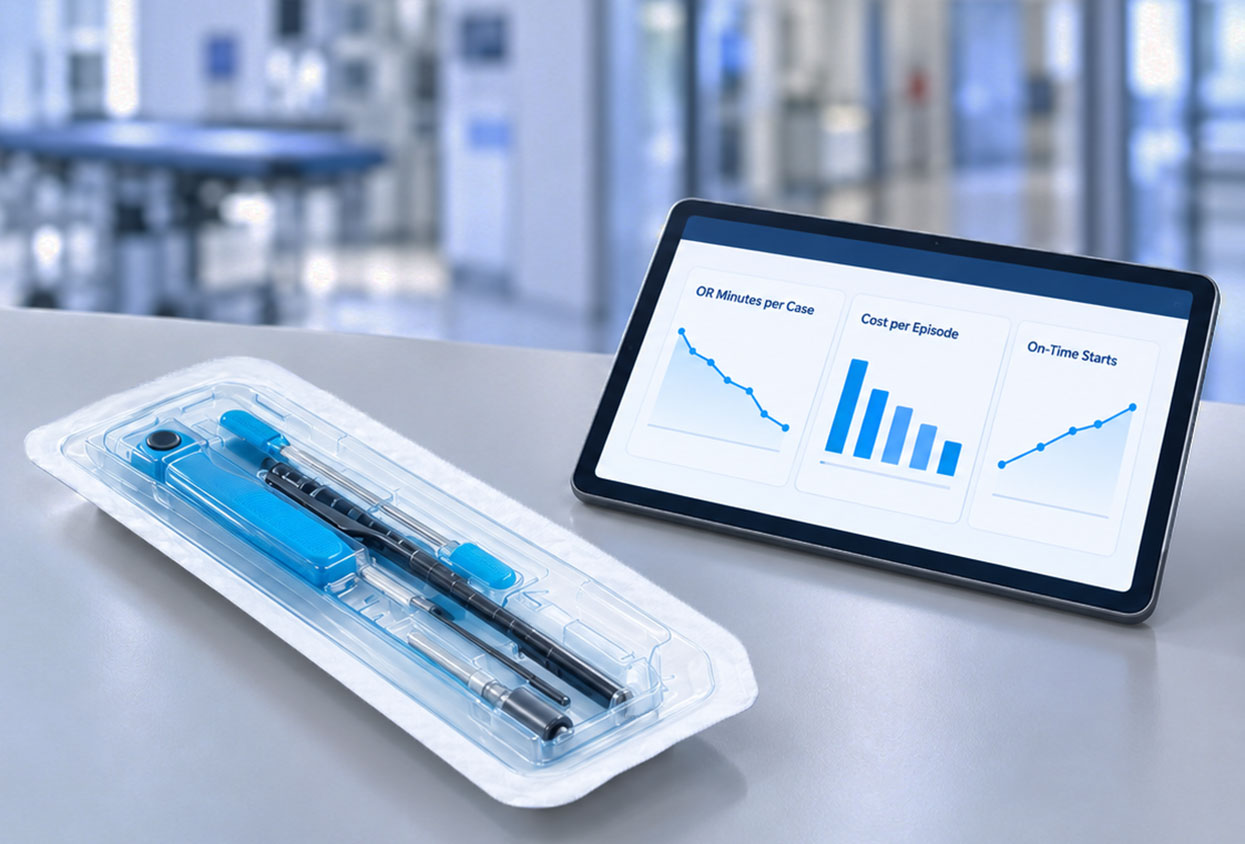
Track setup times, case delays, sharps injuries, and interruptions caused by instrument issues. These data quantify the impact of single-use adoption. Performance-based scaling: Once initial categories demonstrate measurable improvements, expand to additional procedures in a structured, phased approach.
Single-use surgical instrument kits in sterile packaging provide scrub nurses and scrub techs with predictable, streamlined, safe support for performing at the top of their licensure. By minimizing handling risks, eliminating tray variability, enhancing sterility assurance, and improving team dynamics, these systems enable scrub professionals to work faster, more confidently, and more consistently. The change is ultimately not about altering the manner of instrument delivery but about safeguarding those who make the surgery possible and ensuring every patient is taken care of with safety and efficiency. ECA Medical partners with surgical teams to provide Surgery-Ready™ solutions that promote faster, safer, and more reliable workflows for scrubs at hospitals and ASCs.